Amr Ayman

Software Engineering & Technology Articles
🕑 4 mins
Recently, a trend known as “vibe coding” has become increasingly common among tech geeks and developers in fast-paced teams and startup environments. The term refers to writing code based on intuition and quick fixes by using Ai prompts rather than writing code with structured, maintainable practices.
Let’s explore the main drawbacks of this approach.
Vibe coding often results in unstructured, monolithic code, where large chunks of logic are written in a single place without proper separation of concerns. Over time, even small changes can introduce unexpected bugs because logic isn’t properly modularized.
Usually it lacks a clear architecture or long-term vision. As the project grows, the system becomes hard to scale since it’s built without abstraction layers or reusable components. Developers struggle to maintain or extend the application, leading to wasted time and higher costs down the line.
Security best practices are often ignored. Hardcoded secrets, unvalidated inputs, or insecure API calls can easily slip through the cracks. Because vibe coding focuses on “making it work now,” it leaves applications vulnerable to exploits later.
Debugging can become a nightmare. Developers spend more time trying to understand how the system works rather than solving the issue itself. The absence of modular design, logging, and proper exception handling compounds the difficulty of finding root causes.
Vibe coding thrives in solo environments but fails in teams. When every developer writes code “their own way,” team collaboration breaks down. New members struggle to understand existing logic, and merging code changes often leads to conflicts and regressions.
Vibe coding leads to inconsistency in naming conventions, folder structures, and design patterns. This inconsistency confuses both current and future developers, increasing onboarding time and the risk of miscommunication between team members.
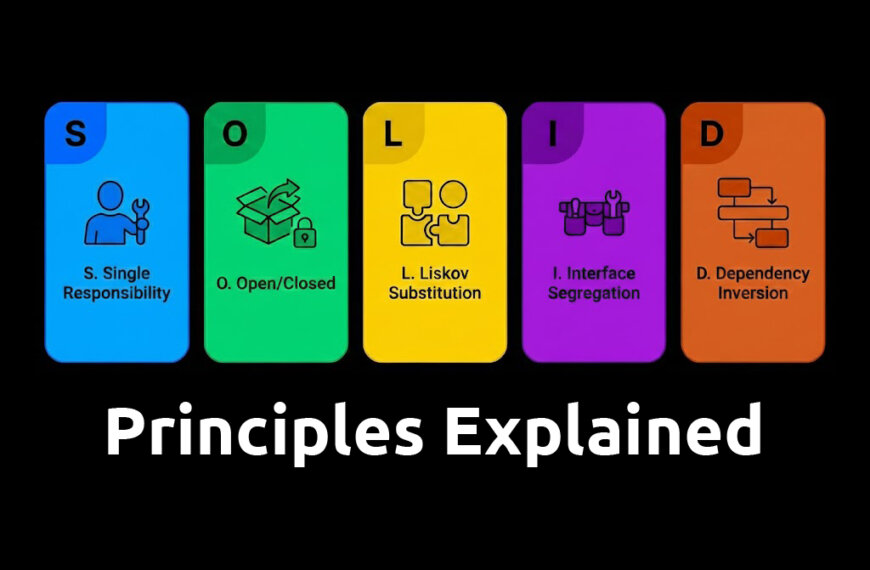
Perhaps the biggest issue is that vibe coding skips fundamental engineering principles such as:
Ignoring these principles leads to fragile software that’s difficult to maintain and nearly impossible to refactor safely.
Finally we can say that vibe coding is a new controversial concept in software industry that has it’s pros and cons. While it feels productive in the short term, vibe coding can quickly lead to unmaintainable systems and painful technical debt.
Share
Rate This